
 al
al Dental Website Design Toronto
Custom Dental Websites Built to Attract More Patients, Improve Local Visibility, and Increase Appointment Bookings for Toronto Clinics
Custom Dental Website Design for Toronto Clinics
In Toronto, a generic dental website usually blends into the background. Patients have options, and they often compare a few clinics before deciding where to book. If your website looks dated, feels unclear, or makes basic information hard to find, many people will move on without ever contacting your office.
That’s why custom dental website design matters. Your website should reflect your clinic, your brand, and the type of patients you want to attract. More importantly, it should make people feel comfortable taking the next step. A well-built site does more than look professional. It helps turn visitors into booked appointments.
We design lead-generating dental websites for clinics across Toronto and the GTA, with a focus on clear messaging, modern design, mobile usability, and search visibility. Whether you operate a smaller local practice or a growing multi-provider clinic, your website should support the way real patients search, compare, and book.
Even smaller clinics can benefit from a bespoke website. In fact, they often benefit the most because a strong website can immediately make the practice look more established and credible. In competitive areas, patients often judge the professionalism of a clinic based on the website before they ever read a review or speak to the front desk.
Why Most Dental Websites in Toronto Fail to Generate Patients
Most dental websites do not underperform because of design alone. They underperform because they create friction.
Toronto dental clinics compete in a crowded local market, and patients are rarely patient when browsing online. If a website is slow, cluttered, hard to navigate, or vague about services, people leave. They compare another clinic. Sometimes that decision happens in less than a minute.
A common mistake is making the website too clinic-focused and not patient-focused enough. Many practices spend too much space talking about themselves and not enough time answering the questions a new patient wants answered right away.
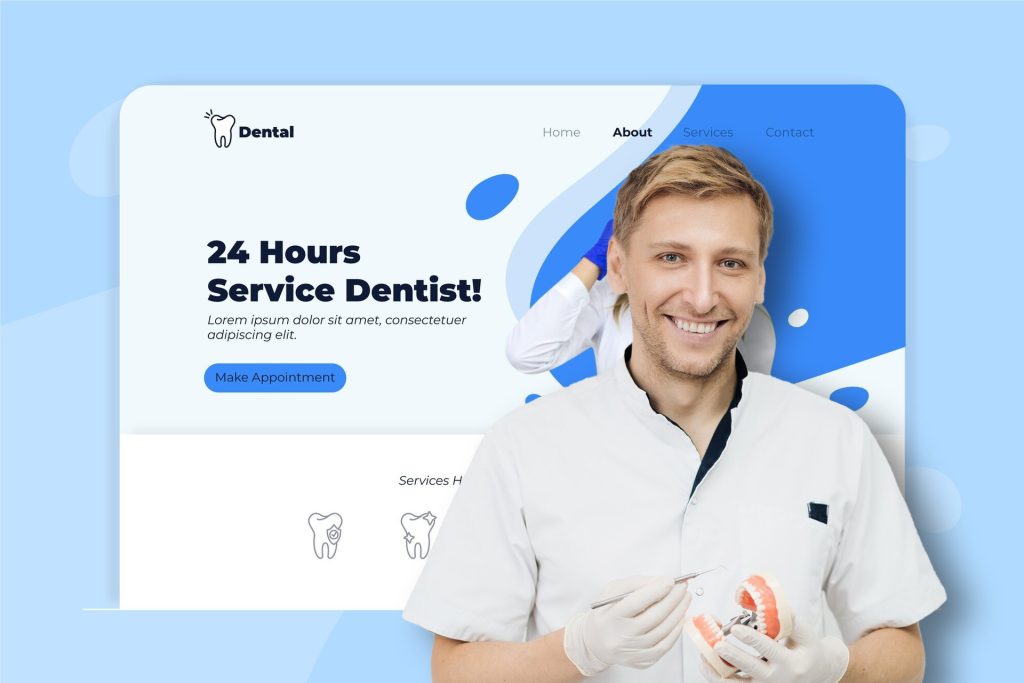
Those questions are usually simple:
- Where is the clinic located?
- What services are offered?
- Do you accept families, children, or emergency cases?
- How can patients book an appointment?
- Why should someone trust this clinic over the others nearby?
- If a visitor has to dig for these answers, the website is already doing less than it should.
Many clinics also underestimate how much website speed affects patient trust. Even a delay of a few seconds can increase drop-offs, especially on mobile. People may not say, “This site is too slow, so I don’t trust this dentist,” but that is often the reaction in practice. They leave before they get far enough to become a lead.
Another issue is poor call-to-action placement. For example, many dental websites place the phone number or booking button too low on the page, which creates unnecessary friction for mobile users. If someone is ready to call, they should not have to scroll around to figure out how.
A dental website that generates patient inquiries usually includes:
- visible contact information in the header and footer
- simple appointment request forms
- clear service pages
- patient reviews and testimonials
- strong calls to action in the right places
- fast load times across desktop and mobile
- A good-looking website can still fail if it does not make the next step obvious.
What Makes a High-Converting Dental Website?
A high-converting dental website builds trust quickly, explains services clearly, and makes it easy for patients to book an appointment from any device.
That may sound simple, but many dental websites miss one of those three pieces. They may look modern but feel confusing. Or they may explain treatments well but make booking harder than it needs to be.
In many cases, patients decide whether they trust a practice within the first few seconds of visiting the homepage. That first impression comes from small things: the quality of the photos, how clear the main message is, whether the site feels current, and how easy it is to figure out what to do next.
The dental websites that convert well usually get the basics right:
- Clear headlines that explain the clinic’s services and location
- Simple navigation that helps visitors find what they need fast
- Fast-loading pages that reduce bounce rates
- Strong calls to action placed throughout the site
- Mobile-friendly layouts that work smoothly on phones and tablets
- Trust-building elements such as testimonials, team photos, and real clinic imagery
There is also a less obvious factor: tone. If the website sounds overly generic, patients notice that too. Dental care is personal. People want to feel they are dealing with a real practice, not reading a marketing template.
One thing we often see is clinics trying to say too much on the homepage. In most cases, that backfires. A homepage should not explain everything. It should give patients enough clarity and reassurance to keep moving deeper into the site or book right away.
A dental website should not function like a digital brochure sitting online. It should help create trust and move people toward action.
If your current website feels outdated or is not generating enough patient inquiries, explore our article on Dental Website Redesign Toronto to learn how a modern redesign can improve user experience, local visibility, and appointment conversions.
Dental Website Design and SEO Need to Work Together
A beautiful website is not enough if no one finds it.
Dental website design and SEO work best when they are planned together from the beginning. If the site structure is clean, the service pages are built around real search intent, and the technical setup is handled properly, Google has a much easier time understanding what your clinic offers and where you serve patients.
That matters even more in Toronto and the GTA, where local competition is strong. Ranking for searches like “dentist Toronto,” “emergency dentist near me,” or “Invisalign Toronto” is not easy. Clinics are competing not only with nearby practices, but often with larger dental groups and well-established websites that have been building local authority for years.
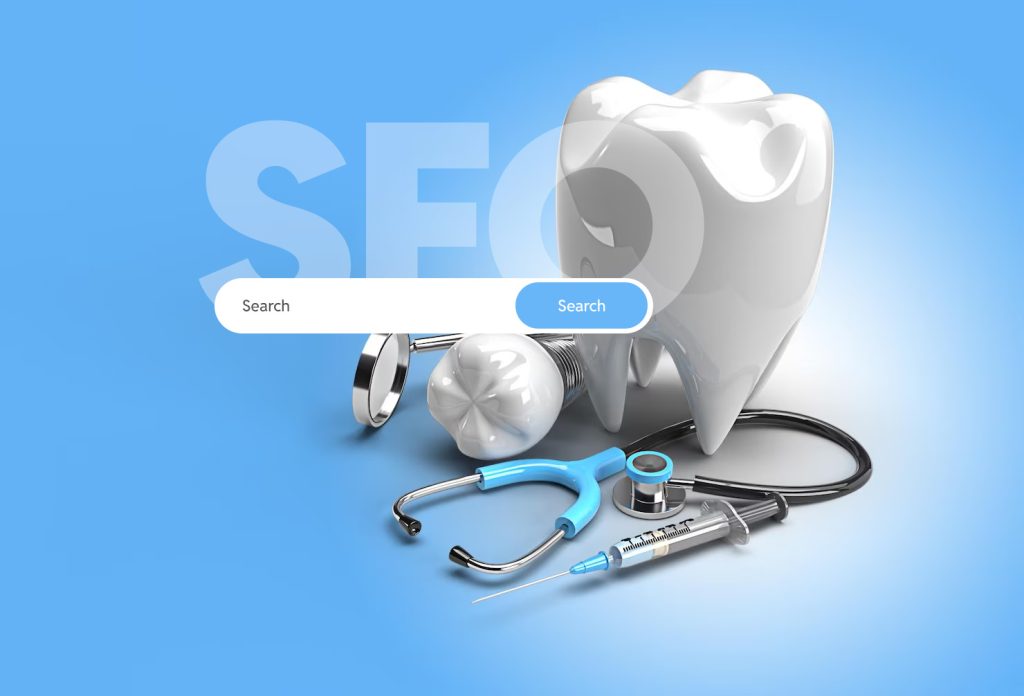
An SEO-ready dental website should include:
- service pages based on actual search behavior
- location signals relevant to Toronto and surrounding GTA areas
- clear heading structure
- optimized page titles and meta descriptions
- internal linking between related pages
- fast page speed and mobile usability
- content written for both patients and search engines
A lot of clinics treat SEO like a plugin or a checklist added at the end. That usually leads to weak structure and missed opportunities. In our experience, the better results come when SEO is built into the website from day one, not patched on after launch.
For example, a clinic offering emergency dental care, Invisalign, dental implants, and family dentistry should not hide all of that under one generic services page. Separate pages create stronger relevance, improve rankings, and make it easier for patients to find exactly what they need.
That is where strategy matters. Good dental websites are not just designed. They are planned.
A well-designed website performs even better when supported by local SEO. Read our guide on Dental SEO Toronto to learn how Toronto dental clinics improve rankings, increase local visibility, and attract more qualified patient traffic.

Dental Web Design in Toronto: Why Mobile Experience Matters
A mobile-friendly dental website is no longer optional. For many clinics, it is the main version of the site patients will ever see.
People searching for a dentist in Toronto are often doing it quickly. They may be on transit, at work, at home late in the evening, or trying to find urgent care for a child. In those moments, patience is low. If the site is awkward on mobile, they do not stick around.
A responsive dental website should:
- fit cleanly across screen sizes
- make buttons easy to tap
- keep forms short and easy to complete
- display phone numbers clearly
- load quickly on slower mobile connections
- organize service information in a way that is easy to scan
One practical issue we see often is overbuilt mobile menus. They may look stylish, but if a patient cannot quickly find “Book Appointment,” “Emergency Dentistry,” or your phone number, the design is getting in the way.
Google also uses mobile usability as a meaningful ranking factor. So mobile optimization affects both how the website performs in search and how well it converts once visitors arrive.
Features Every Toronto Dental Website Should Include
Every dental website should make it easy for patients to understand what the clinic offers, trust the practice, and get in touch without confusion.
A strong homepage should quickly answer the basics. Who are you? Where are you located? What treatments do you provide? What should a new patient do next? If the homepage cannot answer those questions clearly, the rest of the site has to work harder than it should.

At minimum, a Toronto dental website should include:
- Visible contact details, including phone number, address, and office hours
- Online booking or appointment request forms
- Dedicated service pages for key treatments
- Patient testimonials and review highlights
- Professional photos of the team and clinic
- Location-specific content for Toronto or GTA service areas
- Clear calls to action throughout the website
- Google Maps integration or easy-to-find directions
Small details matter here. A lot of websites technically include these elements, but they are not always presented well. For example, if testimonials are hidden on a separate page nobody visits, they lose much of their value. If your office hours are buried in the footer, that creates unnecessary friction for new patients.
In competitive markets like Toronto, those small usability gaps add up.
Our Dental Website Design Process
A strong dental website is rarely the result of design alone. It usually comes from a process that combines strategy, content, design, development, and conversion thinking.
As a dental website company working with Toronto clinics, we follow a structured process so the final website is not just visually polished, but also useful from a marketing and patient-acquisition perspective.
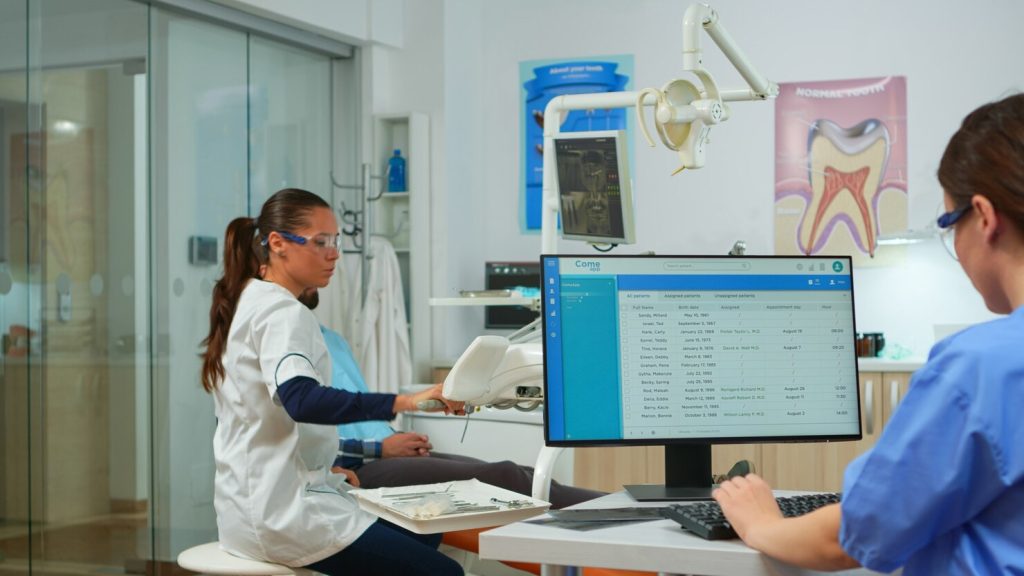
Consultation and Strategy
We start by understanding your clinic, your goals, your services, and the kind of patients you want to attract. This helps shape the website structure, messaging, and priorities before design begins.
Design and Development
Next, we create a custom design that feels modern, trustworthy, and easy to use. Then we build the site using responsive code so it works properly across desktop, tablet, and mobile devices.
Content and SEO Integration
We write and organize the website content around both patient needs and search intent. That includes service pages, location relevance, on-page SEO, and calls to action that support conversions.
Testing and Launch
Before launch, we test the website across devices and browsers to check performance, usability, speed, and mobile responsiveness. After launch, we can continue supporting the site as your clinic grows.
A lot of website problems happen because clinics rush the early planning stage. We tend to find that when strategy is clear from the beginning, the rest of the project moves faster and performs better after launch.
Dental Website Design Cost in Toronto
Dental website pricing in Toronto can vary quite a bit depending on the scope of the project.
Cost usually depends on factors such as:
- number of pages
- level of custom design
- content writing requirements
- online booking functionality
- SEO setup
- integrations with third-party tools
- ongoing support needs
A basic site with a few core pages will cost less than a custom website built to support search visibility, conversion performance, and future marketing campaigns.
The bigger point is that the cheapest option is not always the most affordable in the long run. A low-cost template site may save money upfront, but if it does not rank, does not convert, or needs to be rebuilt in a year, that initial savings disappears quickly.
We often tell clinics to think about website cost in terms of return, not just price. If a stronger website brings in a steady stream of new patient inquiries, it becomes one of the more valuable marketing assets the practice has.
Why Toronto Dentists Choose Dental Digital Agency
Choosing a company to build your dental website is not just a design decision. It is a marketing decision.
Toronto dentists usually come to us because they do not need a general web design company that treats a dental clinic the same way it would treat a restaurant, contractor, or law office. They need a team that understands how dental patients search, what information builds trust, and what usually gets in the way of a booking.
Our work is focused on dental practices, which gives us a better feel for what matters in this space. We understand the role of treatment pages, the importance of local search visibility, and the difference between traffic that looks good on paper and traffic that actually leads to appointments.
What makes our approach different
Dental-specific experience
We work in the dental space, so we understand common services, patient concerns, and the type of messaging that tends to convert best.
Strong SEO foundations
We do not treat SEO as an afterthought. Site structure, content planning, local relevance, and technical performance are considered from the beginning.
Patient-focused messaging
We build websites around the questions and concerns patients really have, not just around what the clinic wants to say about itself.
Patient-focused messaging
We build websites around the questions and concerns patients really have, not just around what the clinic wants to say about itself.
Understanding of the Canadian market
Patient behavior, local competition, and service positioning are not identical across markets. Working with Canadian dental clinics brings useful context that generic agencies often lack.
There is also a practical side to specialization. When a team already understands the dental industry, it usually means fewer revisions, better recommendations, and fewer avoidable mistakes during the project.
A lot of agencies can build a nice-looking website. Fewer can build one that genuinely supports patient acquisition in a competitive city like Toronto.
Frequently Asked Questions
The cost depends on the size and complexity of the website. A smaller brochure-style site will cost less than a custom dental website with SEO planning, service-page content, and features like online booking. The right budget depends on what your clinic needs the site to accomplish.
Most dental websites take around 3 to 5 weeks, depending on the number of pages, required functionality, and how quickly content and approvals are finalized. More customized projects can take longer.
Yes. Without specialized dental SEO, even a strong-looking website may struggle to attract qualified traffic. SEO helps your website appear when patients search for dentists, treatments, or urgent care in Toronto and the GTA.
Can a dental website help generate more patient bookings?
Yes. A well-structured dental website can increase trust, reduce friction, and make it easier for visitors to contact the clinic or request an appointment. When built properly, it can become a consistent source of new patient inquiries.
Most dental clinic websites should include a homepage, about page, contact page, individual service pages, and a testimonials or reviews page. In many cases, dedicated landing pages for treatments or local areas are also useful for SEO and paid campaigns.
A large share of dental searches happen on mobile devices. A mobile-optimized website makes it easier for patients to browse services, tap to call, find directions, and request an appointment. It also supports better search performance.